Leading Like It Matters: Why Electrician Leadership Skills Are Essential
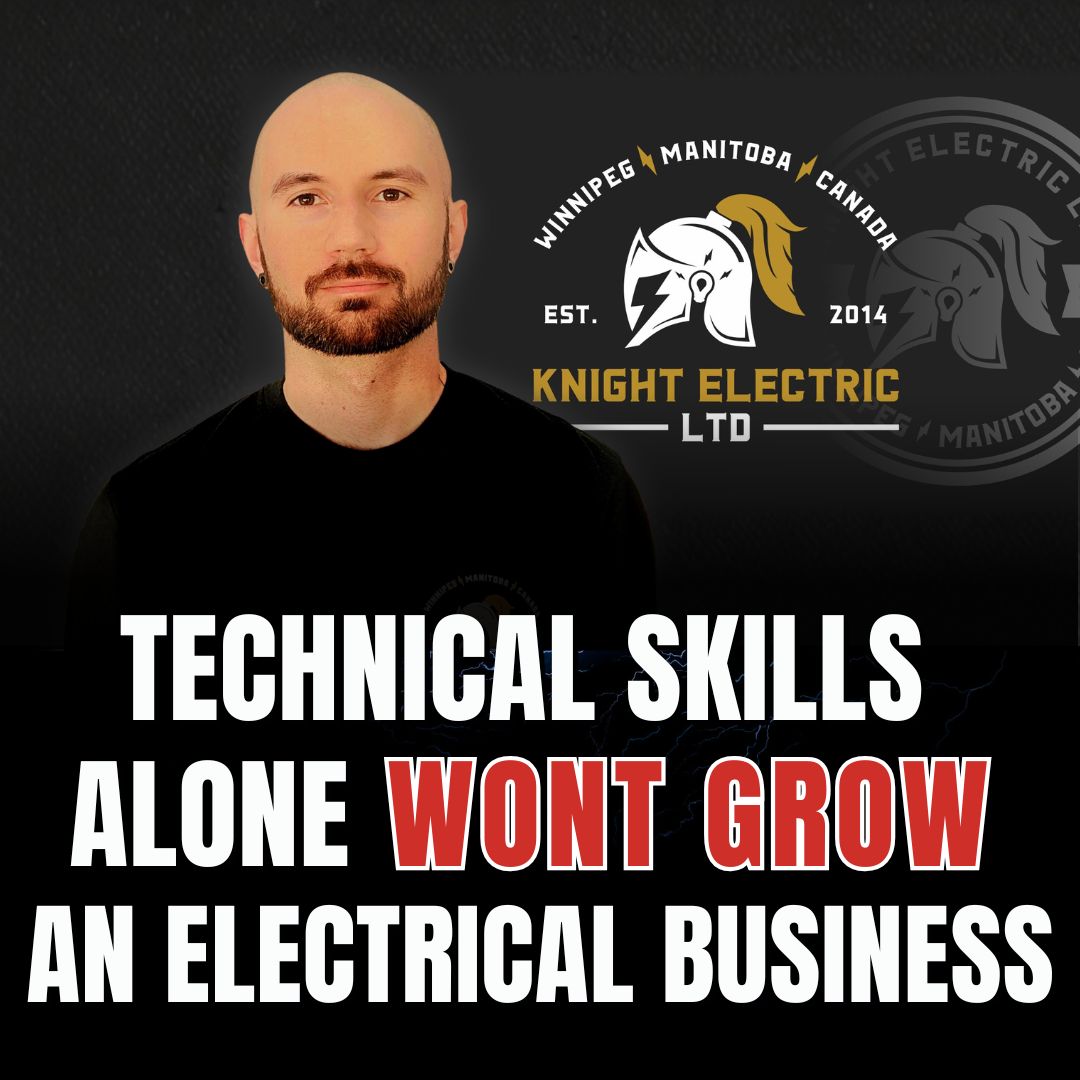
Many electricians believe their success hinges solely on technical expertise. While technical skills are undoubtedly crucial, this blog post argues that developing strong leadership abilities is equally, if not more, important. Effective leadership empowers you to manage teams effectively, motivate employees, cultivate a positive company culture, and ultimately, build a thriving electrical business. We'll explore practical strategies for electricians to hone their leadership skills and create a more engaged, productive workforce. This post is a deeper dive into the topics covered in our latest podcast episode, S2 Ep 39 The Hard Truth About Growing a Real Electrical Business, where we discussed the realities of transitioning from an electrician to a business leader.
Jacob's Journey: From Electrician to Business Leader
Jacob Dombek's story is a testament to the transformative power of leadership. He spent years as a working electrician, honing his technical skills and mastering the craft. However, he soon realized that technical prowess alone wouldn't guarantee business success. He needed to learn how to lead, motivate, and inspire a team. Jacob's journey involved overcoming challenges, making tough decisions, and continuously learning. He recognized that leading a team of electricians demanded a different skill set than simply performing electrical work. It required empathy, communication, delegation, and a clear vision for the future. Jacob's transformation from a skilled electrician to a successful business leader underscores the importance of leadership development for anyone aspiring to grow an electrical business.
The 'Van University': Turning Drive Time into a Leadership Development Opportunity
Time is a precious commodity for electricians, often spent commuting between job sites. Jacob cleverly utilized this time, turning his "van" into a mobile university. He dedicated his commute to listening to audiobooks, podcasts, and training materials focused on leadership, business management, and personal development. This consistent investment in knowledge transformed his mindset and equipped him with the tools he needed to lead effectively. The "Van University" concept emphasizes that leadership development doesn't require formal classroom settings. It can be integrated into your daily routine. Listen to industry-specific podcasts, read leadership books, or take online courses during your commute. This proactive approach can significantly enhance your leadership capabilities over time.
Why Electricians Need More Than Just Technical Skills
The electrical trade demands a high level of technical proficiency. However, as an electrician grows into a leadership role, technical skills become less of a differentiator. The ability to lead, manage, and motivate a team becomes paramount. Electricians in leadership positions need to communicate effectively, delegate tasks efficiently, resolve conflicts constructively, and inspire their team to achieve common goals. They need to understand financial statements, manage project budgets, and develop marketing strategies. These are all skills that extend beyond technical expertise. Focusing solely on technical skills can limit an electrician's potential for growth and hinder the success of their business. A well-rounded skill set that encompasses both technical expertise and leadership capabilities is essential for thriving in the electrical industry.
Understanding Why Employees Leave: A Leadership Perspective
Employee turnover is a significant challenge for electrical businesses. Losing experienced electricians can disrupt projects, increase costs, and damage morale. Often, electricians leave not because of the work itself, but because of poor leadership. A lack of recognition, limited opportunities for growth, poor communication, and a toxic work environment can all contribute to employee dissatisfaction. Effective leaders understand the importance of creating a positive and supportive work environment. They provide regular feedback, offer opportunities for professional development, foster open communication, and recognize employees' contributions. By addressing the underlying reasons why employees leave, leaders can reduce turnover, improve employee morale, and build a more loyal and productive workforce.
The Power of Full Accountability in Electrical Business
Accountability is the cornerstone of a successful electrical business. It means taking ownership of your actions, results, and responsibilities. In a leadership context, it means holding yourself and your team accountable for achieving goals, meeting deadlines, and delivering quality work. Full accountability starts with setting clear expectations and providing the necessary resources and training. It also involves monitoring progress, providing constructive feedback, and addressing performance issues promptly. When everyone is held accountable, it creates a culture of responsibility, efficiency, and excellence. Leaders who embrace full accountability inspire their teams to do the same, leading to improved performance, increased customer satisfaction, and a stronger bottom line. In our podcast, Jacob shares some real examples of what full accountability can look like.
The Real Cost of Hiring and Training: A Leadership Responsibility
Hiring and training new electricians is a significant investment of time and resources. The cost extends beyond wages and benefits. It includes recruitment efforts, onboarding processes, training materials, and lost productivity while the new employee learns the ropes. Effective leaders understand the true cost of hiring and training and take steps to minimize turnover. They invest in comprehensive training programs, provide ongoing support and mentorship, and create a culture where employees feel valued and supported. By focusing on employee retention, leaders can reduce the need for constant hiring and training, saving significant time and money. They also create a more experienced and skilled workforce, which leads to improved performance and customer satisfaction. Reducing turnover goes straight to the bottom line of profitability and growth.
Leading Like It Matters: Practical Tips for Electricians
Here are some practical tips for electricians looking to improve their leadership skills:
- Communicate Clearly and Concisely: Ensure your team understands expectations, goals, and responsibilities.
- Delegate Effectively: Assign tasks based on skills and experience, empowering your team to take ownership.
- Provide Regular Feedback: Offer constructive criticism and praise to help employees improve and grow.
- Active Listening: Pay attention to what your team is saying, both verbally and nonverbally. Show that you value their opinions and ideas.
- Set a Positive Example: Lead by example, demonstrating the values and behaviors you expect from your team.
- Invest in Training: Provide opportunities for your team to develop their skills and knowledge.
- Recognize and Reward Performance: Acknowledge and reward employees for their contributions and achievements.
- Resolve Conflicts Constructively: Address conflicts promptly and fairly, seeking solutions that benefit everyone involved.
- Build Relationships: Get to know your team members on a personal level, fostering a sense of camaraderie and trust.
- Seek Mentorship: Find a mentor who can provide guidance and support as you develop your leadership skills.
Breaking Free: A Message to Electricians Stuck in the Van
Many electricians find themselves stuck in the van, constantly working on projects and struggling to find time for business development and leadership. This can lead to burnout, frustration, and limited growth potential. If you're feeling stuck, it's time to break free. Start by delegating tasks, automating processes, and investing in technology to improve efficiency. Focus on building a strong team that can handle day-to-day operations, freeing you up to focus on strategic planning and leadership. Remember, you can't grow your business if you're constantly working in it. By taking the steps necessary to break free from the van, you can create a more sustainable and fulfilling career.
Taking the Next Step: Private Workshop Invitation
For electricians who are serious about taking their leadership skills to the next level, we're offering a private 2-hour virtual workshop. This workshop goes beyond tactics and delves into the root causes of why most electrical businesses stall out. You'll learn how to overcome limiting beliefs, develop a clear vision for your business, and build a high-performing team. If you're ready to stop feeling stuck and start leading with confidence, this workshop is for you. To learn more and register, send us the word "BOLDER" through our social media channels (Facebook, Instagram, YouTube) or submit a contact form on our website at www.serviceloopelectrical.com.
Conclusion: Investing in Leadership for a Sustainable Electrical Business
In conclusion, leadership skills are essential for electricians who want to build a sustainable and successful business. While technical expertise is important, it's not enough. Effective leadership enables you to manage teams, motivate employees, create a positive company culture, and drive growth. By investing in your leadership development, you can unlock your full potential and create a more rewarding and fulfilling career. This blog post builds upon the insights shared in our podcast episode, S2 Ep 39 The Hard Truth About Growing a Real Electrical Business, where we explored the challenges and rewards of transitioning from an electrician to a business leader. Remember, leading like it matters is not just about improving your business; it's about creating a better life for yourself and your team.

Decoding the Loop Method: How Nathan Miles Scaled to $75K in 30 Days

